








Rich Strong Blend 1kg
Rich Strong Blend 1kg
A strong intensity coffee blend, roasted to make the best coffee through home automatic espresso machines, stovetop, plunger and more.
About This Coffee
About This Coffee
What It Tastes Like
What It Tastes Like
How To Use
How To Use

The best flavour and strength on automatic machines
What's in the Blend
50% Santos, Brazil
50% Mzuri, Tanzania

Tips for Brewing

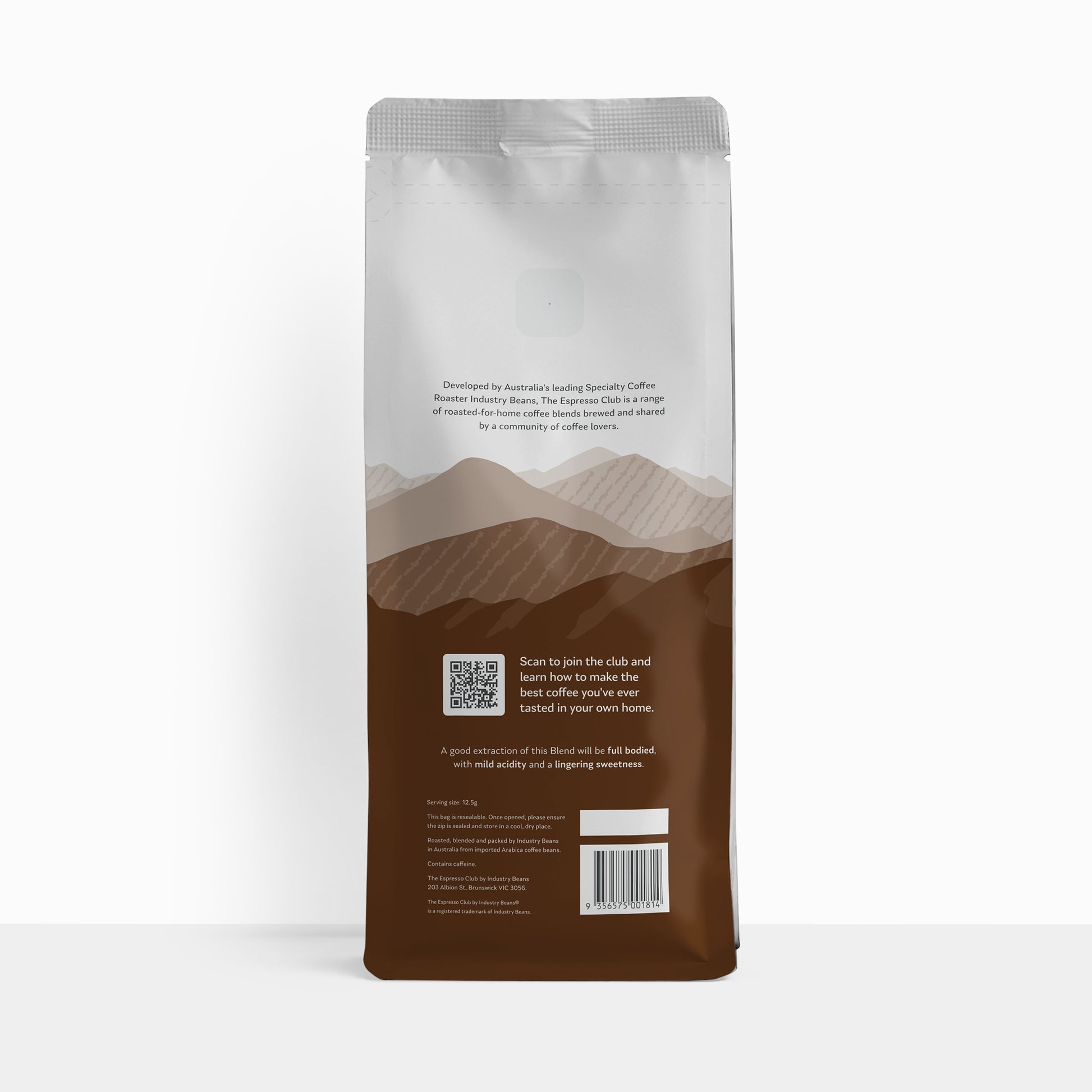
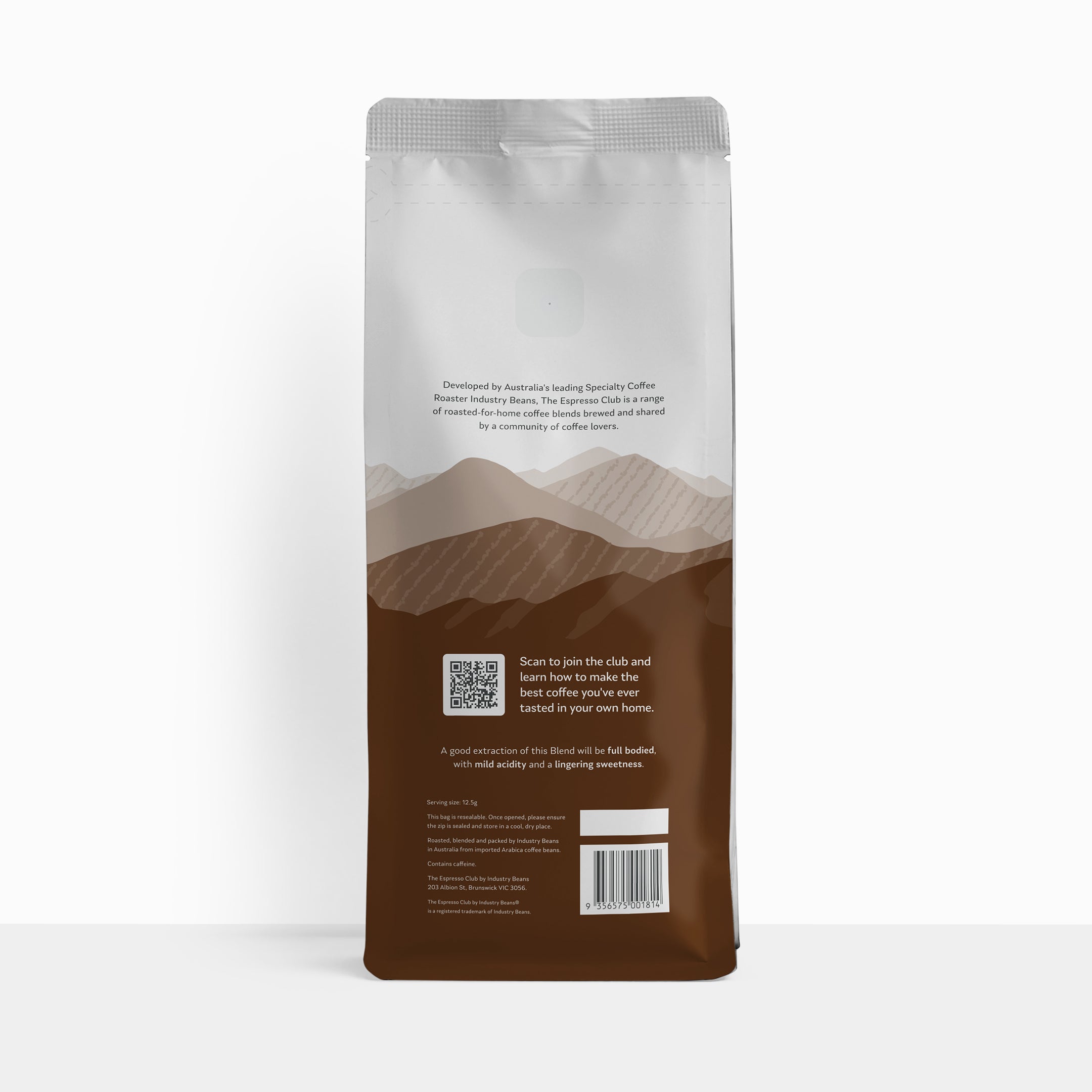
A Good Extraction

Dose

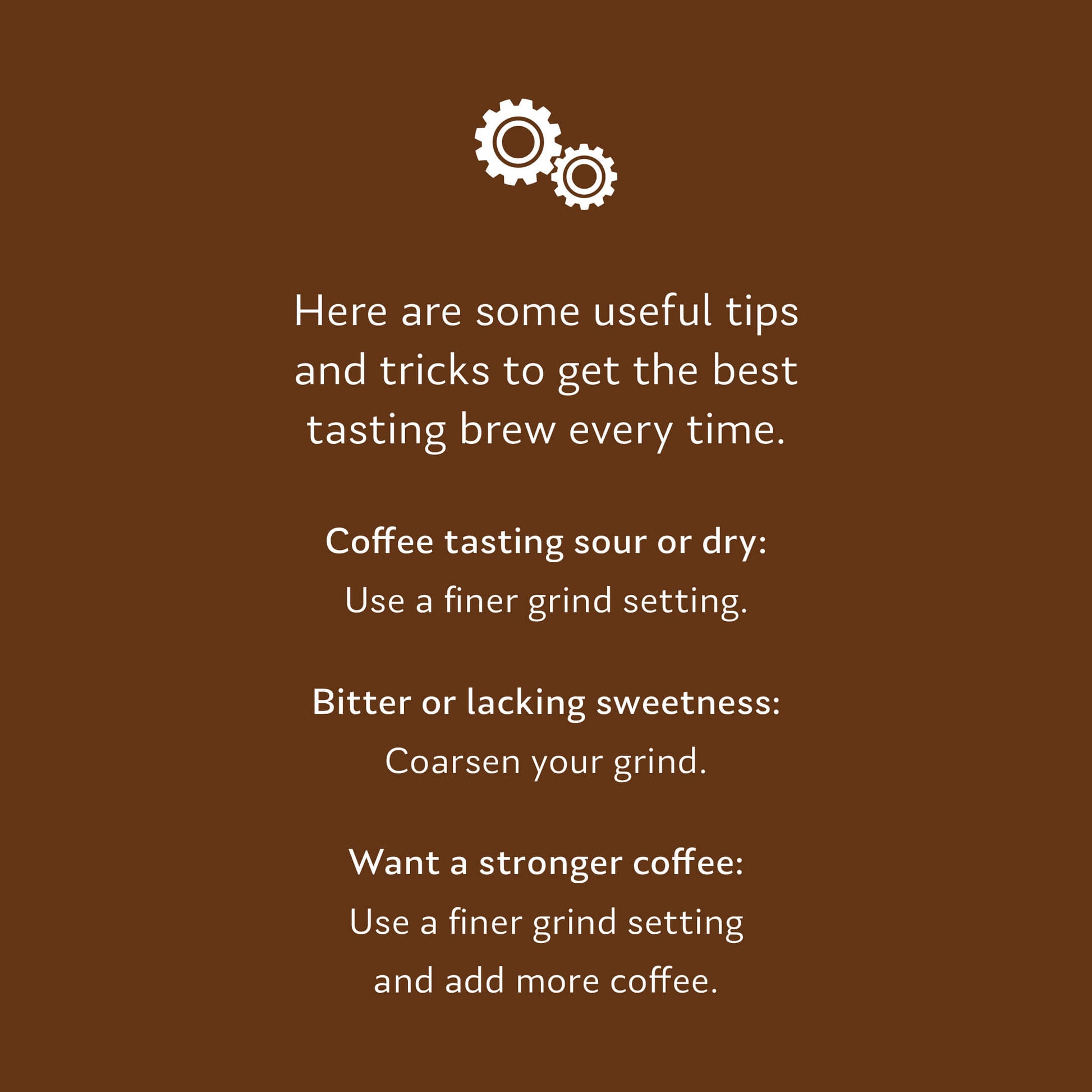
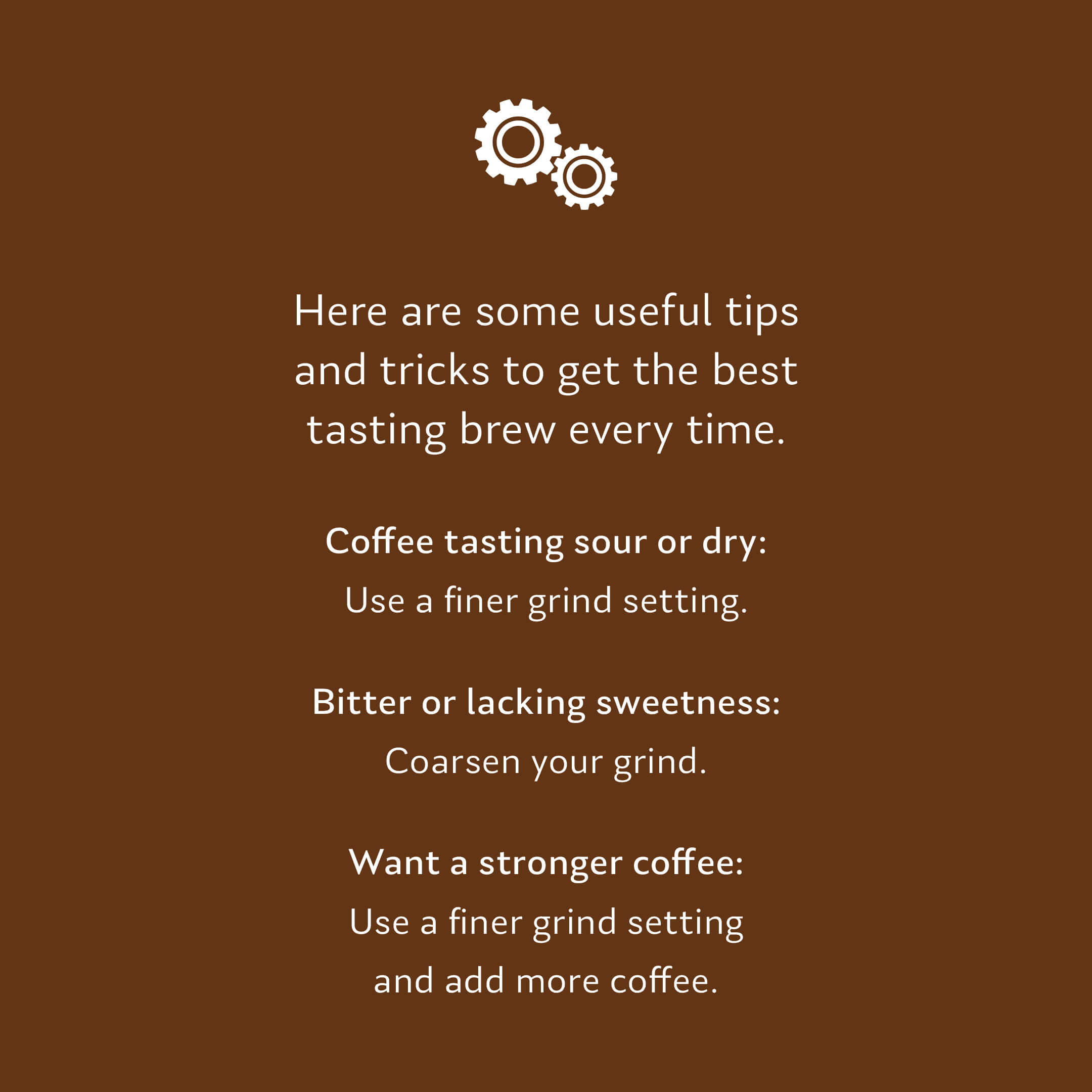
Grind

Strength
How To Brew Rich Strong Blend

Popular Resources

How to Dial In Faster (and Waste Less Coffee)
Dialling in is the process of tweaking your coffee settings until your espresso tastes "right". Doing this at home can sometimes feel like a cycle of trial and error – tweak, taste, adjust, repeat. And while that process is part of learning, it doesn’t have to mean wasting half a bag of coffee along the way. With a few smart shortcuts and a calmer approach, you can dial in faster, use less coffee, and get to a great-tasting cup much sooner. Here’s how to do it. Start With a Clear Baseline The fastest way to dial in is to start from a solid, repeatable reference point. We recommend beginning with: Dose: 18g of coffee Yield: 36g of espresso (a 1:2 ratio) Time: 25–30 seconds This gives you a balanced starting point that works well for most home machines and both of our blends. Once you have a baseline, every adjustment becomes more intentional, not guesswork. Change One Thing at a Time One of the biggest reasons dialling in takes longer (and wastes more coffee) is changing too many variables at once. If something tastes off: Only adjust one thing (usually grind size) Keep dose, yield and temperature the same Taste, then decide your next move This makes it much easier to understand what actually fixed (or caused) the issue. Use Taste as Your Shortcut Your palate is faster than numbers alone. Here’s a simple guide: Sour, sharp or watery – under-extracted: grind a little finer Dry, bitter or harsh – over-extracted: grind a little coarser Balanced, sweet, smooth – you’re close: make very small tweaks Instead of chasing perfection immediately, aim for drinkable, then refine. Make Smaller Adjustments Big grind changes will mean big swings in flavour. To waste less coffee: Adjust your grinder in small increments Think “a few clicks”, not a full step Pull another shot only when the adjustment is subtle Small changes add up and they’re much easier to control. Dial In With Short Shots (When Needed) If you’re still finding your range, you don’t always need to pull a full shot. You can stop the shot early (around 20–25g out), taste for direction, not perfection or adjust again before pulling a full extraction This lets you learn without pouring whole shots down the sink. Choose Beans That Are Forgiving at Home Not all coffee is easy to dial in – especially on home machines. Beans roasted for commercial cafes often need higher pressure, are less forgiving of small errors and can swing from sour to bitter quickly. Our Smooth Medium and Rich Strong blends are roasted specifically for home machines, which means easier extraction, more stable flavour and less waste when dialling in. When the coffee works with your machine, dialling in becomes much faster. Weigh Early, Then Trust Your Routine Using a scale at the start helps you dial in efficiently. Once you’ve found your sweet spot, you don’t need to weigh every single shot. Return to weighing if flavour drifts, with seasonal changes or if you've opened a new bag of beans, which can all signal you need to tweak your settings again. Keep Your Gear Clean Old coffee oils can throw off flavour and slow your progress. Make it a habit to wipe your basket and shower screen, purge your grinder occasionally and clean your steam wand straight after use. Clean gear gives you cleaner flavour and clearer feedback. The Takeaway Dialling in doesn’t have to be slow, wasteful or frustrating. With a clear starting point, smaller adjustments, and beans designed for home brewing, you can get to great coffee faster and enjoy the process a lot more. Find Smooth Medium and Rich Strong at your local Woolworths or online anytime. Shop Coffee
Learn more
3 Iced Coffee Recipes for the Warmer Weather
When the temperature rises, your coffee routine doesn’t need to stop – it just needs a refresh. Cold coffee is all about balance: keeping things light and cooling while still getting the flavour and structure you love from a great espresso. Whether you’re craving something dessert-like, nutty and smooth, or fresh and tropical, these three recipes are designed to be easy to make at home and deeply satisfying. Each one starts with a solid espresso base and lets the flavours do the rest. Coconut Coffee Cloud Iced Coffee Ingredients: 100ml thickened cream 50ml part full cream milk 10ml of vanilla syrup A double shot of espresso Coconut water Method: Whip the cream, milk, vanilla syrup and espresso until light and fluffy. Fill a glass with chilled coconut water, top with your coffee cream cloud, and sip away. @the.espresso.club Coconut coffee cloud = your new favourite drink ☁️🥥☕ 100ml cream 50ml milk 15ml vanilla syrup 60ml espresso Coconut water Whip the cream, milk, vanilla syrup and espresso until fluffy, then pour over some ice and chilled coconut water. Light, silky, and way too easy to make at home 👀 Save this recipe for later 💾 #theespressoclub #homebarista #homebrewing #coffee #coffeerecipes ♬ original sound - The Espresso Club™ Iced Pistachio Latte Ingredients: 1 tbsp pistachio spread A double shot of espresso Ice 200ml macadamia milk Method: Spread half your pistachio spread around a glass. Put the other half in a small cup and extract a double shot of Rich Strong espresso over the mix. Mix well to combine the coffee and pistachio spread. Fill your pistachio-smeared cup with ice, add your macadamia milk and pour in your pistachio/espresso blend. Give it a good stir and enjoy! @the.espresso.club Make our Iced Pistachio Latte at home: + 1 tbsp pistachio spread + A double shot of espresso + Ice + 200ml macadamia milk Spread half your pistachio spread around a glass. Put the other half in a small cup and extract a double shot of Rich Strong espresso over the mix. Mix well to combine the coffee and pistachio spread. Fill your pistachio-smeared cup with ice, add your macadamia milk and pour in your pistachio/espresso blend. Give it a good stir and enjoy! ♬ original sound - The Espresso Club™ Crème Brûlée Iced Latte Ingredients: 100mL thickened cream 100mL custard 1 tspn brown sugar A pinch of sea salt Ice 200mL milk Double shot of Rich Strong Blend Method: Add thickened cream, custard, brown sugar, and salt into a jug and blend. Then in a glass, add ice, milk, and your coffee, top with your whipped custard cream, sprinkle on some brown sugar, and use a kitchen torch to caramelise. @the.espresso.club Make our Iced Pistachio Latte at home: + 1 tbsp pistachio spread + A double shot of espresso + Ice + 200ml macadamia milk Spread half your pistachio spread around a glass. Put the other half in a small cup and extract a double shot of Rich Strong espresso over the mix. Mix well to combine the coffee and pistachio spread. Fill your pistachio-smeared cup with ice, add your macadamia milk and pour in your pistachio/espresso blend. Give it a good stir and enjoy! ♬ original sound - The Espresso Club™ A Few Final Tips: Use freshly brewed espresso and let it cool slightly before pouring over ice to avoid dilution Rich Strong Blend works especially well in iced drinks, holding its flavour through milk, cream and ice Don’t rush the textures – whipping, layering and balance are what make these feel cafe-quality at home Looking for more ways to enjoy coffee at home this summer? You’ll find both Smooth Medium and Rich Strong at your local Woolworths, or online anytime. Shop Coffee
Learn more
How to Brew Coffee for a Crowd at Home
When you’ve got friends or family coming over, coffee should feel like a natural and easy part of hosting – not another thing to juggle. With a little planning and a few smart choices, making coffee for a crowd at home can be relaxed, generous and genuinely enjoyable. Whether it’s a long weekend breakfast, a casual brunch, or a house full of guests, here’s how to keep the coffee flowing without feeling like you’ve opened a cafe. 1. Choose a brewing method that makes sense When you’re brewing for more than one or two people, simplicity and consistency matter most. Great options for groups: Large moka pot (6–9 cup): strong, espresso-style coffee that’s easy to make in batches French press (1–1.5L): ideal for serving everyone at once with minimal fuss Batch brew or drip machine: perfect if you want steady, hands-off brewing Automatic espresso machine: handy for milk drinks without lots of manual steps Tip: Save manual espresso shots for special requests, not the whole group. 2. Brew once, then serve well Rather than brewing cup by cup, aim to brew in slightly larger volumes and focus on keeping everything hot and fresh. There are several tricks to use to keep serving flowing smoothly, like warming your cups with hot water before serving, using a thermal carafe to hold coffee or brewing a slightly stronger base and diluting gently with hot water or milk if needed. It’s a simple way to stay flexible without compromising flavour. 3. Choose a blend that pleases a crowd When you’re making coffee for a group, you want something balanced, forgiving and easy to work with. Rich Strong Blend: Great for milk-based drinks and bigger batches – full-bodied, chocolatey and comfortingSmooth Medium Blend: Ideal for black coffee drinkers who enjoy a smooth, balanced cup Both are roasted specifically for home brewing, which makes consistent results much easier when you’ve got a lot going on. 4. Prep Milk Ahead of Time Milk can quickly become the bottleneck if you’re steaming cup by cup. Try this instead: Gently heat milk on the stove and whisk for texture Use a handheld milk frother for quick foam Keep warm milk in a thermal jug Full-cream milk is the most forgiving – it holds heat well and keeps its texture longer. 5. Keep the menu simple You don’t need to offer everything. A simple setup works best: One black option One milk option Sugar and sweeteners on the side Let guests adjust to taste – it keeps things moving and takes pressure off you. 6. Think a step ahead A little preparation goes a long way. Grind beans just before brewing Set cups, spoons and milk out ahead of time Brew in calm batches rather than rushing A steady rhythm always beats trying to do everything at once. 7. Tidy as you go Small messes add up quickly when you’re brewing for a crowd. Rinse equipment between batches Wipe the steam wand straight away Keep a cloth or brush nearby A clean setup makes better coffee – and keeps your space feeling relaxed. The Takeaway Making coffee for a crowd doesn’t have to be complicated. With the right tools, a forgiving blend and a bit of forward planning, it can feel generous and easy. The kind of hosting where you actually get to enjoy a cup, too. And when your beans are roasted for home brewing, like ours, getting consistent results becomes much simpler – even with a house full of people. Find Smooth Medium and Rich Strong at your local Woolworths or online anytime. Shop Coffee
Learn more