Coffee Blog


3 Iced Coffee Recipes for the Warmer Weather
When the temperature rises, your coffee routine doesn’t need to stop – it just needs a refresh. Cold coffee is all about balance: keeping things light and cooling while still getting the flavour and structure you love from a great espresso. Whether you’re craving something dessert-like, nutty and smooth, or fresh and tropical, these three recipes are designed to be easy to make at home and deeply satisfying. Each one starts with a solid espresso base and lets the flavours do the rest. Coconut Coffee Cloud Iced Coffee Ingredients: 100ml thickened cream 50ml part full cream milk 10ml of vanilla syrup A double shot of espresso Coconut water Method: Whip the cream, milk, vanilla syrup and espresso until light and fluffy. Fill a glass with chilled coconut water, top with your coffee cream cloud, and sip away. @the.espresso.club Coconut coffee cloud = your new favourite drink ☁️🥥☕ 100ml cream 50ml milk 15ml vanilla syrup 60ml espresso Coconut water Whip the cream, milk, vanilla syrup and espresso until fluffy, then pour over some ice and chilled coconut water. Light, silky, and way too easy to make at home 👀 Save this recipe for later 💾 #theespressoclub #homebarista #homebrewing #coffee #coffeerecipes ♬ original sound - The Espresso Club™ Iced Pistachio Latte Ingredients: 1 tbsp pistachio spread A double shot of espresso Ice 200ml macadamia milk Method: Spread half your pistachio spread around a glass. Put the other half in a small cup and extract a double shot of Rich Strong espresso over the mix. Mix well to combine the coffee and pistachio spread. Fill your pistachio-smeared cup with ice, add your macadamia milk and pour in your pistachio/espresso blend. Give it a good stir and enjoy! @the.espresso.club Make our Iced Pistachio Latte at home: + 1 tbsp pistachio spread + A double shot of espresso + Ice + 200ml macadamia milk Spread half your pistachio spread around a glass. Put the other half in a small cup and extract a double shot of Rich Strong espresso over the mix. Mix well to combine the coffee and pistachio spread. Fill your pistachio-smeared cup with ice, add your macadamia milk and pour in your pistachio/espresso blend. Give it a good stir and enjoy! ♬ original sound - The Espresso Club™ Crème Brûlée Iced Latte Ingredients: 100mL thickened cream 100mL custard 1 tspn brown sugar A pinch of sea salt Ice 200mL milk Double shot of Rich Strong Blend Method: Add thickened cream, custard, brown sugar, and salt into a jug and blend. Then in a glass, add ice, milk, and your coffee, top with your whipped custard cream, sprinkle on some brown sugar, and use a kitchen torch to caramelise. @the.espresso.club Make our Iced Pistachio Latte at home: + 1 tbsp pistachio spread + A double shot of espresso + Ice + 200ml macadamia milk Spread half your pistachio spread around a glass. Put the other half in a small cup and extract a double shot of Rich Strong espresso over the mix. Mix well to combine the coffee and pistachio spread. Fill your pistachio-smeared cup with ice, add your macadamia milk and pour in your pistachio/espresso blend. Give it a good stir and enjoy! ♬ original sound - The Espresso Club™ A Few Final Tips: Use freshly brewed espresso and let it cool slightly before pouring over ice to avoid dilution Rich Strong Blend works especially well in iced drinks, holding its flavour through milk, cream and ice Don’t rush the textures – whipping, layering and balance are what make these feel cafe-quality at home Looking for more ways to enjoy coffee at home this summer? You’ll find both Smooth Medium and Rich Strong at your local Woolworths, or online anytime. Shop Coffee
Learn more
How to Brew Coffee for a Crowd at Home
When you’ve got friends or family coming over, coffee should feel like a natural and easy part of hosting – not another thing to juggle. With a little planning and a few smart choices, making coffee for a crowd at home can be relaxed, generous and genuinely enjoyable. Whether it’s a long weekend breakfast, a casual brunch, or a house full of guests, here’s how to keep the coffee flowing without feeling like you’ve opened a cafe. 1. Choose a brewing method that makes sense When you’re brewing for more than one or two people, simplicity and consistency matter most. Great options for groups: Large moka pot (6–9 cup): strong, espresso-style coffee that’s easy to make in batches French press (1–1.5L): ideal for serving everyone at once with minimal fuss Batch brew or drip machine: perfect if you want steady, hands-off brewing Automatic espresso machine: handy for milk drinks without lots of manual steps Tip: Save manual espresso shots for special requests, not the whole group. 2. Brew once, then serve well Rather than brewing cup by cup, aim to brew in slightly larger volumes and focus on keeping everything hot and fresh. There are several tricks to use to keep serving flowing smoothly, like warming your cups with hot water before serving, using a thermal carafe to hold coffee or brewing a slightly stronger base and diluting gently with hot water or milk if needed. It’s a simple way to stay flexible without compromising flavour. 3. Choose a blend that pleases a crowd When you’re making coffee for a group, you want something balanced, forgiving and easy to work with. Rich Strong Blend: Great for milk-based drinks and bigger batches – full-bodied, chocolatey and comfortingSmooth Medium Blend: Ideal for black coffee drinkers who enjoy a smooth, balanced cup Both are roasted specifically for home brewing, which makes consistent results much easier when you’ve got a lot going on. 4. Prep Milk Ahead of Time Milk can quickly become the bottleneck if you’re steaming cup by cup. Try this instead: Gently heat milk on the stove and whisk for texture Use a handheld milk frother for quick foam Keep warm milk in a thermal jug Full-cream milk is the most forgiving – it holds heat well and keeps its texture longer. 5. Keep the menu simple You don’t need to offer everything. A simple setup works best: One black option One milk option Sugar and sweeteners on the side Let guests adjust to taste – it keeps things moving and takes pressure off you. 6. Think a step ahead A little preparation goes a long way. Grind beans just before brewing Set cups, spoons and milk out ahead of time Brew in calm batches rather than rushing A steady rhythm always beats trying to do everything at once. 7. Tidy as you go Small messes add up quickly when you’re brewing for a crowd. Rinse equipment between batches Wipe the steam wand straight away Keep a cloth or brush nearby A clean setup makes better coffee – and keeps your space feeling relaxed. The Takeaway Making coffee for a crowd doesn’t have to be complicated. With the right tools, a forgiving blend and a bit of forward planning, it can feel generous and easy. The kind of hosting where you actually get to enjoy a cup, too. And when your beans are roasted for home brewing, like ours, getting consistent results becomes much simpler – even with a house full of people. Find Smooth Medium and Rich Strong at your local Woolworths or online anytime. Shop Coffee
Learn more
Your Coffee Tastes Like Your Cup, Too
When you’re making coffee at home, it’s easy to focus on the big things – grind size, beans, brewing method, water, milk. But there’s one subtle variable most people overlook: your cup. Yes – your coffee really does taste like the cup you drink it from. Your cup choice shapes aroma, flavour, temperature, sweetness, and even how your brain interprets the entire drinking experience. Here’s how to choose the right cup for a better coffee at home. 1. The material changes everything Ceramic Ceramic doesn’t absorb flavours, keeps heat steady, and makes your coffee feel balanced and familiar – it's warm, neutral and reliable.Best for: everyday espresso, flat whites, lattes, long blacks. Glass Glass lets you see the coffee, which changes the experience and it cools down a little faster.Best for: iced coffee, mochas, tasting side-by-side shots. Stainless Steel Great for heat retention, but can influence taste. Some people find steel cups add a metallic edge, especially with hotter drinks.Best for: travel cups, iced drinks, outdoor brewing. Stoneware / Handmade Cups Textured, heavier, often with thicker walls – they hold warmth beautifully and make your coffee feel cosy and grounded.Best for: moments you can sit and savour your coffee. 2. Cup shape affects aroma and flavour The shape of your cup controls how much aroma reaches you – a huge factor in how your coffee tastes. Wide-rim cups These let more aroma rise – your coffee feels bigger, softer, and more open. Narrow-rim cups These will concentrate the aroma – your coffee feels stronger, darker, and more intense. Tall cups Hold heat longer and mute some acidity. Short cups Showcase sweetness and clarity. These differences can be subtle, but once you notice them, you can tailor your cup to match your coffee. 3. Temperature retention makes a real difference Coffee tastes best between 55–65°C – below that, sweetness fades and bitterness takes over. Your cup plays a huge role in how long your coffee stays in that “sweet zone.” Thick-walled cups keep heat longer Thin-walled cups cool quickly Cold cups drop temperature immediately Pre-warmed cups help keep flavour stable A simple tip: fill your cup with hot water, empty and then pull your shot in. Your coffee will taste smoother, rounder, and more consistent. 4. Colour and weight influence perception It sounds strange, but it’s real: the colour and weight of your cup change how you think your coffee tastes. Heavier cups: Feel premium and make coffee taste richer. Lighter cups: Make coffee feel brighter and more delicate. White cups: Can highlight acidity and bitterness. Darker cups: Can make coffee feel sweeter and more balanced. This is psychology, not chemistry, but it still shapes the experience. The takeaway – your cup matters You don’t need a cupboard full of specialty cups, just a little awareness that your cup choice can: soften bitterness highlight sweetness change body and temperature enhance aroma shift how your brain interprets flavour And that can make a real difference to your home coffee. Most importantly, choose a cup you love holding and it will automatically make every coffee better. And when you need more beans for home brewing, don't forget to grab some from your local Woolies, or directly from us. Shop Coffee
Learn more
What Every Home Coffee Corner Needs
Creating a home coffee set-up doesn’t have to be complicated or expensive. With a few thoughtful tools and a little organisation, you can build a space that makes brewing easier. Here’s what we recommend for anyone wanting cafe-quality coffee at home – without the overwhelm. 1. A brewing method that suits you Your machine doesn’t have to be fancy, it just has to match your routine and the style of coffee you enjoy. Manual (often called "pump") espresso machines for hands-on brewing and more control Automatic espresso machines for convenience and consistency Stovetop or mokapot for strong, rich coffee with simple steps French press for smooth, full-bodied brews The best set-up is the one you’ll actually use every day. 2. A good grinder (it matters more than you think) A consistent grind is one of the biggest factors in better-tasting coffee. Choose a burr grinder (manual or electric) for uniform particle size, balanced extraction, and smoother flavour. If you only upgrade one thing, let it be your grinder. 3. Coffee beans made for home machines Most supermarket beans are roasted for commercial cafe machines, which is why they can taste flat, sharp, or inconsistent at home. Ours are roasted specifically for home extraction, meaning: smoother flavour easier dial-in consistent results less waste Start with Smooth Medium if you like balance, or Rich Strong if you love intensity. 4. A scale (small tool, big difference) A digital scale helps you measure your dose and yield accurately, removes the guesswork and keeps your brewing consistent. Aim for 18g in and 36g out in 25–30 seconds. 5. A tamper you like using A flat, firm, consistent tamp leads to even extraction. It doesn’t need to be expensive – just comfortable, sturdy, and the right size for your portafilter. The one that came with your machine is probably a good starting place! 6. A good milk jug A small stainless-steel jug gives you control over pour speed and steaming temperature. If you steam milk, keep it between 55–60°C, stop before it’s too hot to touch and swirl to keep it glossy. 7. A clean and organised workspace Great coffee starts with a set-up that feels easy to use. A few simple additions help: an easy to clean tray or mat to catch stray grounds a knock box or compost bowl a soft brush for your grinder a clean cloth for your steam wand Keeping things tidy helps your machine run well and your coffee taste better. The most important part of any home coffee set-up isn’t the gear – it’s the feeling. Organising your space and routine, finding a quiet moment, a cup you love holding – that’s what turns brewing at home into something satisfying, not stressful. Ready to build your set-up? Start with the essentials, keep things simple, and choose tools that make your routine smoother. And remember – the right beans make all the difference. Find Smooth Medium and Rich Strong at your local Woolworths or online anytime. Shop Coffee
Learn more
What Fat in Milk Does to Your Coffee
If you’ve ever wondered why your latte tastes different when you switch milks – even when the espresso is the same – the answer comes down to fat content. Milk fat plays a huge role in the flavour, texture, and overall feel of your coffee. And whether you’re using cow’s milk or an alternative, understanding how fat behaves will help you fine-tune your favourite cup at home. Let’s break it down in a simple way. Why Milk Fat Matters When milk meets espresso, three things happen: 1 It softens bitterness Fat gently coats the palate, rounding out sharper espresso notes, especially in medium and darker roasts like our Rich Strong Blend. 2 It enhances sweetness Fat carries flavour molecules and helps espresso taste fuller, smoother and naturally sweeter. 3 It creates luxurious texture Fat gives steamed milk its creamy, velvety feel – the thing that makes a flat white or latte feel cafe-quality. Not enough fat? Your coffee can taste thin or overly sharp.Too much? It can mute the flavours in your brew. Different milks will mean different drinking experiences Full-Cream Milk (Whole Milk) Fat content: 3.5–4%Best for: Lattes, flat whites, cappuccinos Richest mouthfeel Steams beautifully with stable microfoam Balances both Smooth Medium and Rich Strong without overwhelming the flavours If you want a round, silky coffee at home, full-cream is the most forgiving option. Light or Reduced-Fat Milk Fat content: 1–2%Best for: Those who like lighter body without losing too much creaminess Froths easily but can create larger bubbles Can taste slightly sharper Less fat means less sweetness Great if you prefer a brighter cup with a lighter texture. Skim Milk Fat content: <0.5%Best for: Stronger coffee flavour, very light body Steams to a very airy foam Can taste slightly more acidic with espresso Not as stable in microfoam, so latte art is more challenging Works well if you prefer your coffee very light and crisp. What About Alternative Milks? Fat levels vary widely in alternative milks, and many contain added emulsifiers to mimic dairy creaminess. Oat Milk Higher fat content than most alternatives Smooth, naturally sweet Creates silky microfoam Almond Milk Lower fat means a thinner texture Can taste “dryer” or slightly nutty May split if overheated Soy Milk Moderate fat, good protein Stable foam and cafe-style texture Slightly beanier flavour Coconut Milk Higher fat but less protein Adds a tropical, subtle sweetness Not as stable when steaming, but lovely in iced drinks Tips for Choosing the Right Milk for Your Coffee 1: Match body with body Stronger, richer espresso (like Rich Strong) pairs beautifully with full-cream milk. Lighter espresso (like Smooth Medium) shines with both full-cream and oat. 2: Think about temperature Higher-fat milks handle heat better and produce smoother microfoam. 3: Try a few side by side A simple home experiment – same espresso shot, different milks – is the fastest way to learn. The Takeaway Fat in milk plays a huge role in flavour, sweetness, texture, and balance. It can transform your espresso from sharp to smooth, thin to velvety, or mild to rich. And when you're using beans roasted for home machines, like The Espresso Club™, the right milk can help you dial in an even better cup. Shop Coffee
Learn more
What Is Crema and Why Does it Matter?
If you’ve ever pulled a shot and noticed a beautiful caramel-coloured layer sitting on top, that’s crema – one of the most recognisable signs of a freshly made espresso. But what actually is crema? Let’s break it down so you can understand what it means for your home espresso. What is crema? Crema is the layer that forms on top of a shot of espresso. It’s created when hot water under pressure meets freshly ground coffee, which releases CO₂ and natural oils that then emulsify and rise to the surface. Think of it like the first impression of your espresso – a sign your beans are fresh and your extraction is working. Why does crema matter? It's a sign of freshness Coffee that has been recently roasted and rested naturally produces more crema because it holds more CO₂. If your beans are very old or stale, crema tends to be thin or disappear quickly. It tells you how your extraction is going Crema can help diagnose what’s happening during your shot, like a little window into your technique. Thick, dark crema: grind may be too fine (over-extraction)Pale, bubbly crema: grind may be too coarse (under-extraction)No crema: beans may be stale or machine pressure too low You don’t need to obsess over it, but it’s a useful indicator when dialling in. It adds texture and aroma Crema carries the aromatic oils that give a shot of espresso its deep, complex smell. It also adds a silky mouthfeel on the first sip, helping your espresso feel rounder and richer. It contributes to the overall flavour Here’s the surprising part: crema isn’t where the sweetest flavours live. In fact, it can be a little bitter. But crema helps: Stabilise the espresso Add body Carry aromas Create that espresso experience you expect from a cafe So while crema isn’t the sole indicator of flavour, it contributes to the overall experience. What affects crema? Your roast level Medium to medium-dark roasts (like Smooth Medium and Rich Strong) will have a balanced crema. Very dark roasts will have thinner, darker crema and very light roasts will have a pale, finer crema. Your machine pressure Home machines produce crema differently than commercial machines. Because our beans are roasted specifically for home machine pressure levels, you'll naturally get a more stable, reliable crema. Your grind size Too coarse will mean a weak crema, while too fine will yield a dark, thick crema, but have a bitter taste. We're aiming for just right: a warm golden crema with balanced flavour. Roast date of your beans If your crema suddenly disappears, your beans may simply be past their peak. How to get better crema at home Use beans made for home espresso Coffee roasted for commercial machines doesn’t extract the same way at home. Both of our blends are tailored for home machine pressure, meaning easier crema and smoother results. Dial in your grind Start fine and adjust until you hit a 25–30 second extraction. See our guide on how to perfect your espresso at home. Keep your machine clean Old coffee oils can affect crema formation. Wipe your basket, purge your steam wand, and backflush regularly. While it’s not the only measure of good espresso, crema is a beautiful sign your beans, grind, and machine are working together. And when you’re using blends roasted specifically for home machines – like Smooth Medium and Rich Strong – getting that velvety, golden layer becomes much easier. Ready for better results at home? You can find The Espresso Club™ at your local Woolworths or shop online anytime. Shop Coffee
Learn more
How to Perfect Your Espresso at Home
When it comes to making great coffee at home, it’s not just about the beans: it’s about how you brew them. The secret to cafe-quality espresso at home lies in understanding a few key variables: grind size, dose, yield, and temperature. Once you learn to control these, you can fine-tune your coffee to taste exactly the way you like it – smooth, balanced, and full of flavour. Grind Size Grind size is one of the biggest factors in how your espresso tastes. It controls how fast the water flows through the coffee and how much flavour is extracted. Too coarse: Water gushes through too quickly, leaving you with a weak, under-extracted shot. Too fine: Water struggles to pass through, leading to over-extraction – a bitter shot that lacks body and sweetness. Aim for: a fine, even grind that gives you a 25–30 second extraction time. Small adjustments here make a huge difference in flavour. Dose Your dose is the amount of ground coffee in your basket and it has a direct impact on balance and strength. Start by figuring out how much your basket holds. We recommend 18 grams as a great starting point, especially if you’re working with a new coffee. Once you’re comfortable, you can tweak slightly depending on your blend: Add 1–2g for lighter or medium roasts like Smooth Medium Blend Reduce by 1–2g for medium to darker roasts like Rich Strong Blend The goal is to find that sweet spot where your coffee feels full-bodied but not heavy. Yield Yield is how much espresso you get out of your shot. A simple rule of thumb is the 1:2 ratio – for every 18g of coffee in, aim for 36g of espresso out. You’ll want this to happen in around 25-30 seconds for balanced extraction. Using a small coffee scale can help remove the guesswork and if your shot runs too fast or too slow, adjust your grind size finer or coarser until you hit your target. This process is called dialling in, and it’s how baristas fine-tune flavour day after day. Temperature Temperature plays a subtle but powerful role in your espresso. Too hot: The coffee can taste burnt or ashy.Too cool: It can taste weak, sour, or under-extracted. As a guide: For dark roasts, aim for around 90°C – they extract easily. For medium roasts, go slightly higher – around 93°C – to bring out sweeter, more delicate notes. A small temperature adjustment can completely change the balance of your cup. Bringing It All Together Once you understand these four variables – grind size, dose, yield, and temperature – you’re no longer guessing, you’re in control. Because great coffee should be something everyone should be able to make at home. Shop Coffee
Learn more
De'Longhi Opera Coffee Machine Review
If you’re looking for a home espresso machine that helps you grow your barista skills without overcomplicating things, the De'Longhi La Specialista Opera is a solid choice. At $849, it sits comfortably in the mid-range category – offering structure where you need it and flexibility where you want it. Here’s our honest take after putting it through its paces. Who It’s For The De'Longhi Opera is ideal for home brewers who want to: Level up from a pod or fully automatic machine Learn hands-on espresso skills Experiment with grind and dose Enjoy cafe-style coffee at home without spending thousands It's a great intermediate machine that helps you build confidence and consistency. Design & Build The De'Longhi Opera is sleek, compact, and clearly designed for home users who want something approachable but capable. It gives you the satisfaction of a typical espresso workflow – grind, dose, tamp, extract – with some clever automations, and without feeling intimidating. It’s a machine that looks at home on a kitchen bench but still delivers a professional-feeling experience. Performance This is where the Opera shines. It’s intuitive enough for beginners but gives home baristas room to develop their skills. You can fine-tune your grind, dose, and extraction to get cafe-quality results – especially when paired with beans roasted for home machines, like our Smooth Medium and Rich Strong blends. The pressure and temperature control are consistent, which makes it easier to learn how small changes affect your shot. Things to Keep in Mind Every machine has its quirks, and this one’s no different. 1) The Bean Hopper The bean hopper isn’t removable, which means cleaning or swapping beans can be a little awkward. If you like to switch between blends regularly (say, Smooth Medium in the morning and Rich Strong in the afternoon), it’s something to consider. 2) The Portafilter Size The portafilter is 51mm, not the standard 58mm you’ll find on other machines. That means some of your existing accessories – tampers, dosing rings, or distribution tools – might not fit. Not a dealbreaker, but worth knowing before you buy. The Verdict At $849, the De'Longhi Opera delivers excellent value for what it offers – structure, freedom, and reliability. If you’re ready to grow your home barista skills and want a machine that will grow with you, this one’s worth a serious look. Hopefully this helps! And if you're in need of more beans - you know what to do... Shop Coffee
Learn more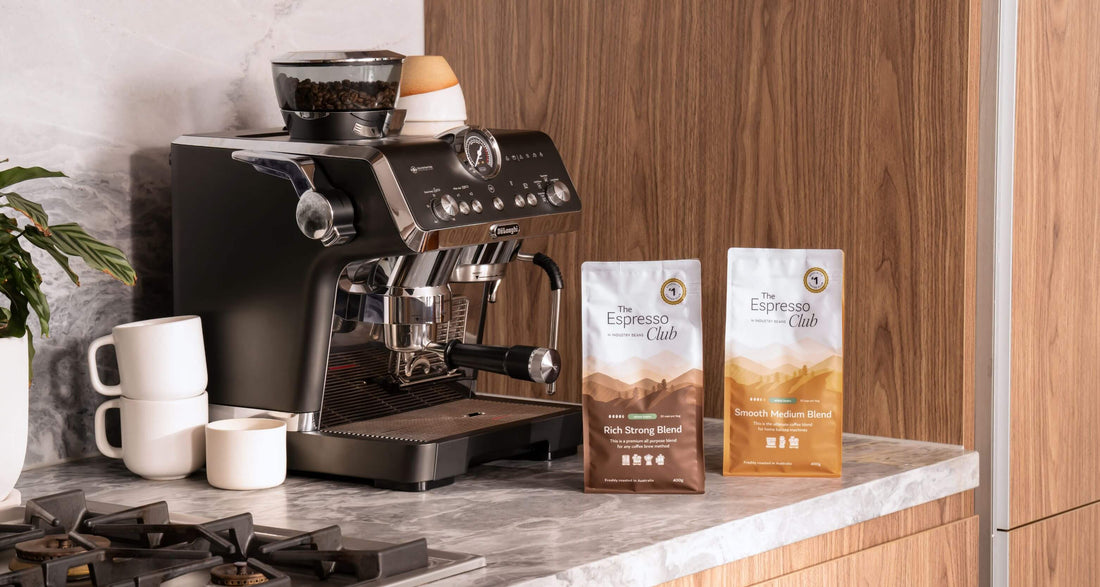
Under-Extraction vs Over-Extraction vs Just Right
If you’ve ever sipped a coffee made at home that felt too sour or too bitter, chances are it wasn’t your machine – it was the extraction. We roast our beans to make home brewing easier; but even with beans roasted for home machines, small changes in grind, timing, or tamping can shift your coffee from delicious to bitter!. What is extraction? Extraction is simply how much of the coffee’s flavour is pulled out by water as it passes through the grounds. Under-extracted → not enough flavour is drawn out Over-extracted → too much is drawn out Just right → balanced, smooth, and satisfying A Closer Look At Under-Extraction What it tastes like: Sour, tangy, or sharp Watery or thin in texture Sometimes salty or hollow Why it happens: Grind is too coarse Brew time is too short Water passes through too quickly How to fix it: Try a finer grind Extend your extraction time Make sure you’re using enough coffee (around 18g for a double shot) A Closer Look At Over-Extraction What it tastes like: Bitter or burnt Harsh and dry on the finish Sometimes overly strong but unpleasant Why it happens: Grind is too fine Brew time is too long Water lingers too much in the puck How to fix it: Try a coarser grind Keep extractions under 30 seconds Check you’re not overdosing coffee into the basket So... What Should a Well Extracted Shot Look Like? What it tastes like: Balanced, smooth, and sweet Chocolate or caramel notes come through Pleasant acidity, no harshness How to get there: Aim for 18g coffee in, 36g out in 25–30 seconds Tamp evenly with steady pressure Use beans roasted for home machines (like ours!) for more forgiving, consistent results. Hopefully this helps! And if you're in need of more beans - you know what to do... Shop Coffee
Learn more